EXPLORE

Discover what Environmental Product Declarations are and why they matter

Discover what Environmental Product Declarations (EPDs) are, why they matter, and how they empower transparency, innovation, and sustainable decision-making.

KEY TAKEAWAY

KEY TAKEAWAY

What is an EPD?

The Environmental Product Declaration helps you understand a product’s environmental footprint in measurable, standardized terms.

1.

An EPD is a standardized report providing clear, measurable, and transparent information about a product’s environmental impacts.

2.

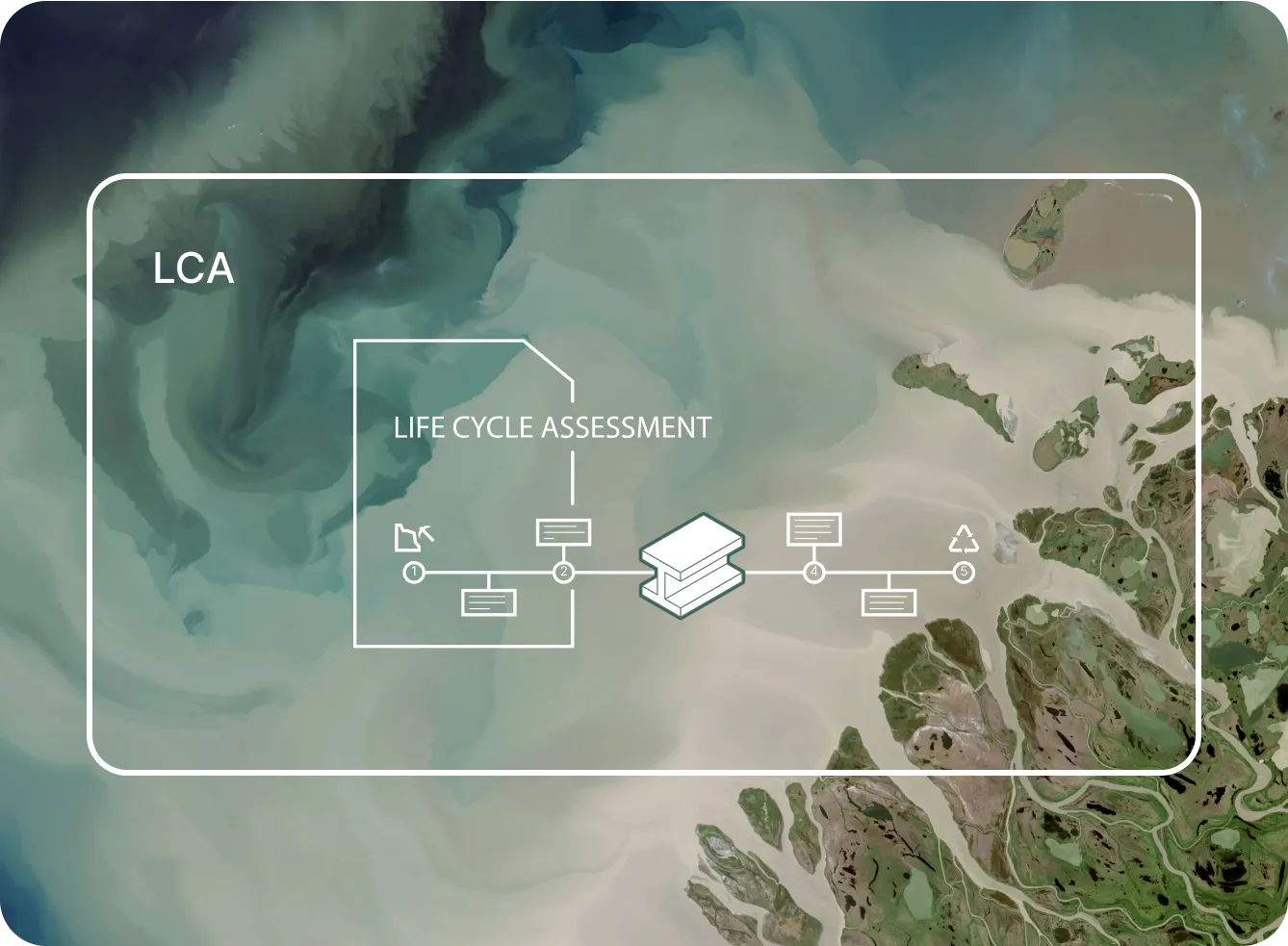
EPDs follow international standards such as ISO 14025 and EN 15804 and are based on a rigorous Life Cycle Assessment (LCA).

3.

EPDs are not environmental claims or certifications. They offer third-party verified information that guides evidence-based sustainability decisions.

IMPORTANCE

Why Are EPDs Important?

Environmental Product Declarations (EPDs) deliver transparent, third-party verified data on the environmental performance of products in line with ISO 14025. Recognised globally, EPDs enable fair comparisons, support market and regulatory compliance, and strengthen credible communication across the value chain.

Build trust and credibility with customers and stakeholders.

Align with government procurement policies and green building rating systems (e.g., LEED, BREEAM)

Improve product development with life cycle insights.

Support net-zero strategies, ESG reporting, and market differentiation.

Facilitate international trade by meeting global compliance standards.

COMPARISON

EPD vs. Other
Environmental Disclosures

Tool

Focus

Verification

Use Case

EPD

Focus

Quantified life cycle impacts

Verification

Third-party verified

Use case

Product transparency, procurement

Eco-labels

Focus

Qualitative environmental claims

Verification

Varies

Use case

Consumer-facing marketing

Carbon labels

Focus

Climate-specific information

Verification

Optional

Use case

Highlighting carbon footprint

ESG reports

Focus

Corporate-level performance

Verification

Self-declared / audited

Use case

Investor and stakeholder reporting

THE MEANING

Understanding LCA and PCRs

All EPDs are based on a Life Cycle Assessment (LCA), a scientific methodology that quantifies the environmental impacts of a product across its entire life cycle, from raw material extraction to end-of-life. The LCA results are then compiled following Product Category Rules (PCRs), which ensure consistency and comparability among products within the same category.

Remember

You do not need to develop a PCR as most sectors already have published PCRs which can be used immediately.

EPDs in Saudi Arabia and Vision 2030

As part of Saudi Arabia’s national goals under Vision 2030, there is growing demand for environmental disclosure across giga-projects, infrastructure, manufacturing, and procurement.

EPD Saudi Arabia, as the official licensee of the International EPD® System, enables local companies to join global markets with verified environmental data.

Want to learn more?

OUR ACTIVITY

Develop

Turn your environmental ambition into action. Follow a guided process to create and verify your own Environmental Product Declaration.

SERVICES

Join our upcoming training sessions

Join our expert-led programs to build capacity in EPDs, Climate Declarations, and Life Cycle Assessment. Designed for all experience levels and sectors.

OUR ACTIVITY

Your EPD Journey Starts Here

Partner with Saudi Arabia’s official EPD representative, supported by KAUST’s expertise and global standards, to publish third-party verified environmental data that strengthens your market position locally and internationally.

GO TO TOP